At the York County SPCA, every animal in our care has a story—and behind each story is a pathway plan created with compassion, strategy, and a deep commitment to lifesaving. Many community members are surprised to learn how thoughtfully we manage shelter admissions. We’re not just a safe place for animals in need; we are a vital piece of the public health and safety system in York County.
So how exactly do animals come into our shelter? It’s more intentional than you might expect—and that’s by design.
Our Intake Model: Rooted in National Best Practices
Our admissions process follows national best practices and is guided by one central goal: to give every animal the best possible chance at a live outcome. We do not euthanize animals for space. Instead, we actively manage intake in a way that protects animals, supports the community, and ensures our team has the capacity to provide quality care.
The York County SPCA only accepts animals from within York County, Pennsylvania, and proudly fulfills our contracts with most York County municipalities to provide stray animal services.
We Prioritize Urgency and Community Impact
Outside of our municipal stray housing contracts, we carefully evaluate other types of animal intakes to ensure we are prioritizing the most urgent cases. This includes:
- Pets in crisis due to owner hospitalization, eviction, or death
- Pets living in a dangerous or unsafe environment
- Injured or ill animals requiring urgent medical care
By managing non-stray intake intentionally, we ensure our shelter remains available to those animals with the greatest need, without compromising care or outcomes.
Keeping People and Pets Together
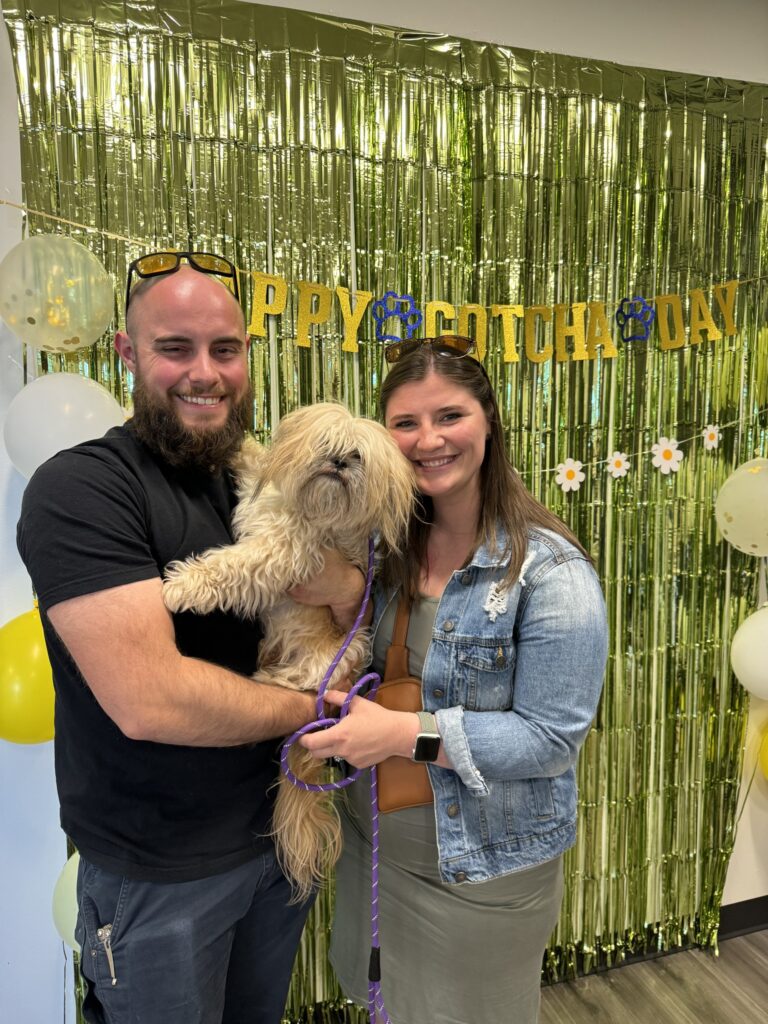
One of the most effective ways we manage shelter intake is by helping to prevent unnecessary surrender in the first place. Our human service programs are designed to support York County families through tough times so they can remain united with their furry family members, because often, a little help can make the difference between a pet staying in their home or entering the shelter system.
Our safety net services include:
- Pet Food Pantry: Free pet food for families facing temporary financial hardship
- SafePet Program: Emergency boarding for pets of individuals fleeing domestic violence, loss of housing, or entering medical care.
- CARMA Program: Low-cost emergency veterinary care for urgent but treatable medical conditions
- Rehoming Resources: Support for families who need to rehome a pet, including our partnership with Adopt-a-Pet.com for owner-to-owner adoptions
These programs are part of a growing movement in animal welfare that recognizes the importance of keeping the bond between people and pets intact whenever possible.
Stray Dogs
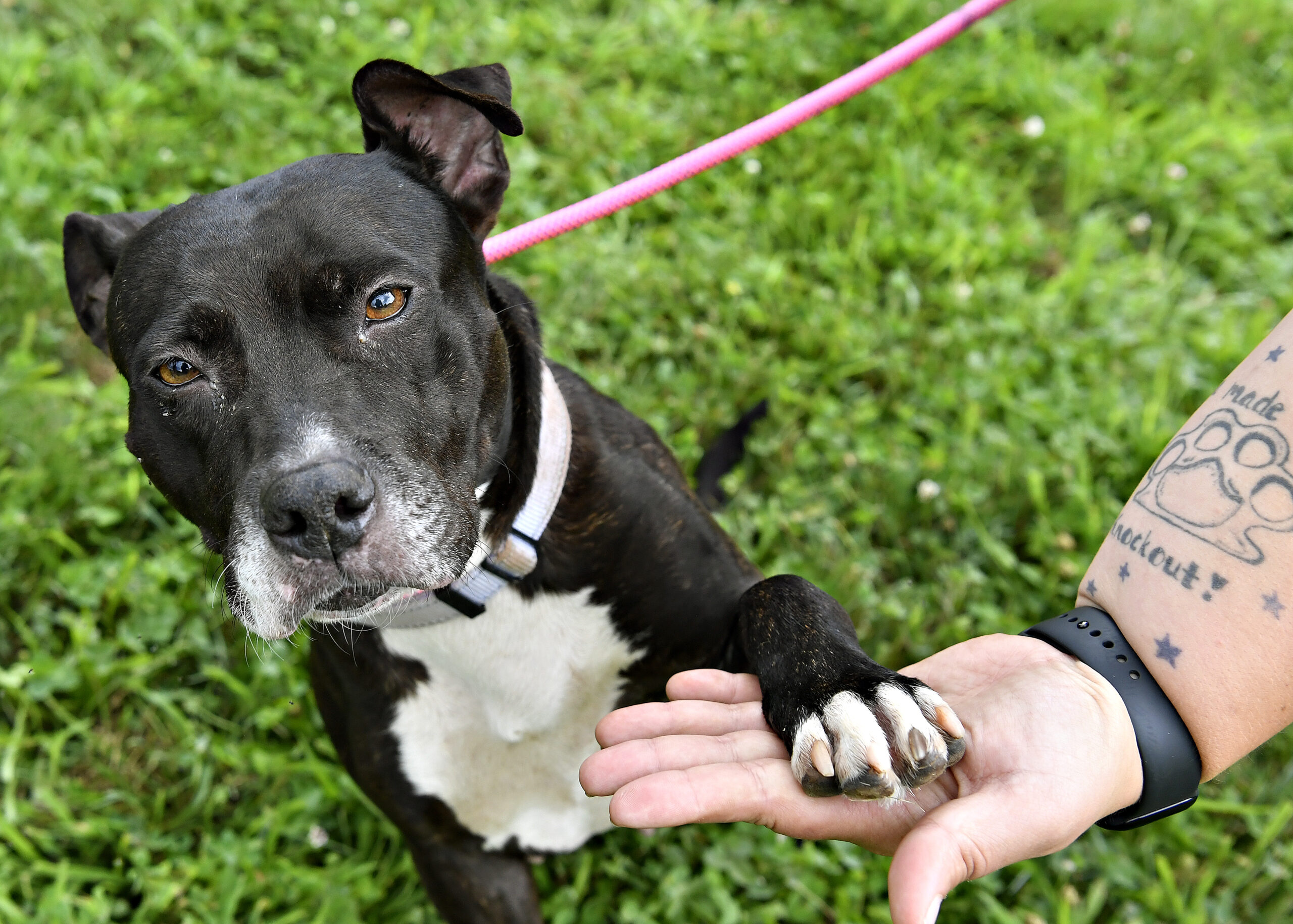
When stray dogs are brought in from contracted municipalities by local law enforcement, animal control officers, or PA state dog wardens, we welcome each one with open arms, no matter their age, breed, behavior, or condition. We then follow Pennsylvania’s legal 48-hour stray hold process. This period gives families time to reclaim their missing pets, while we provide food, shelter, veterinary care, and safety. For example, instead of the public chasing a stray dog with unknown health and behavior, it’s safer for a trained professional with proper safety equipment to lawfully capture the dog, collect appropriate information, and safely transfer the animal into our care. If these pets are not reclaimed, our staff and volunteers work to find them loving, permanent homes.
Community Cats
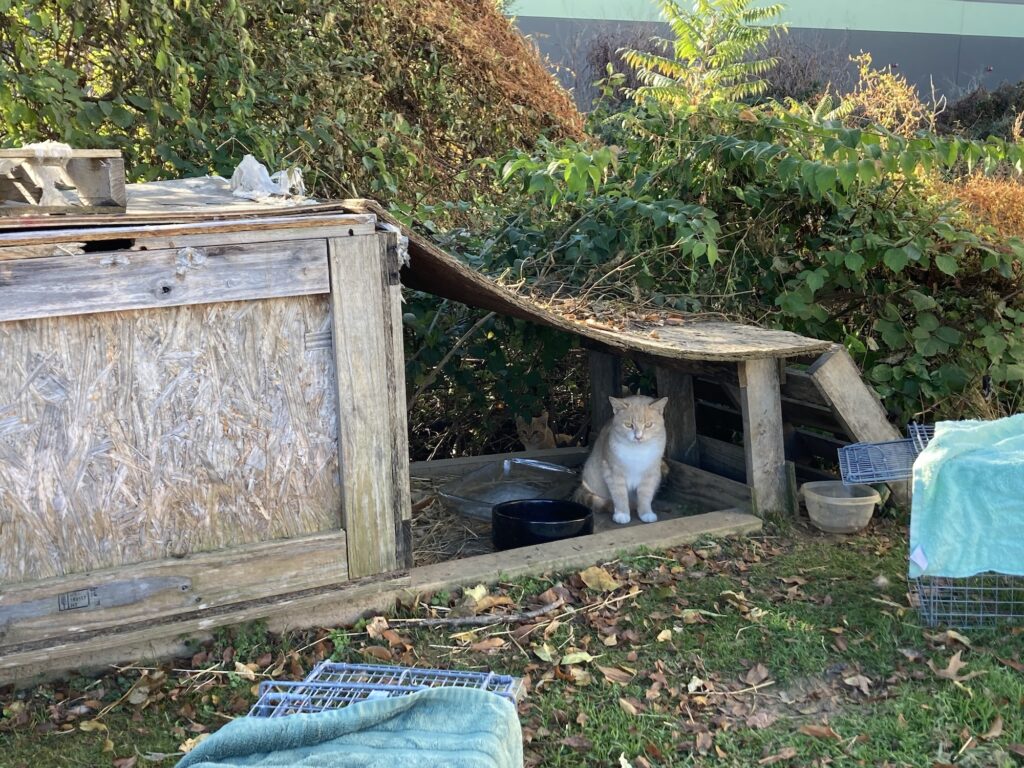
Not all cats seen outdoors are lost or in need of rescue. Many are what we call community cats—a broad term that includes feral cats, loosely owned neighborhood cats, indoor/outdoor pets, and other free-roaming cats who are accustomed to living outside. These cats have often spent their entire lives outdoors and are well-adapted to their environments.
For healthy community cats living in stable locations, removal and shelter intake is not in their best interest. Confinement in a shelter can lead to extreme stress, illness, and—in the case of unsocialized cats—behavioral challenges that make adoption nearly impossible. For cats over three pounds, we focus instead on Trap-Neuter-Return (TNR): humanely trapping the cat, spaying or neutering, vaccinating, and returning it to its original location. This proven strategy reduces overpopulation, supports public health, and improves the long-term welfare of outdoor cat populations.
We evaluate each situation individually. If a cat appears sick, injured, or without any consistent caregiver, we will bring it into our care for treatment. Suppose the cat cannot safely return to its original environment. In that case, we may consider placement through our Working Cat program, a lifesaving alternative for cats who are not suited for indoor living but still deserve a chance at a meaningful life. These cats are placed with barns, warehouses, breweries, and other facilities where they receive food, shelter, and basic care while helping control pests naturally.
Suppose a cat cannot be returned outdoors for medical or safety reasons and is behaviorally suitable for indoor life. In that case, we make every effort to place that cat through our traditional adoption program.
A Lifesaving Shift in Practice
Many people are surprised to learn that feral or unsocialized cats are often not candidates for traditional adoption. For years, shelters across the country struggled to find safe and humane solutions for community cats. The result was heartbreaking.
In 2018, the cat euthanasia rate at the York County SPCA was 70.1%. Many of these were healthy, free-roaming cats whose only barrier to survival was a shelter system that wasn’t built to serve them.
A few years ago, we implemented a data-supported win-win strategy that saves cat lives while simultaneously reducing their numbers. Today, thanks to strategic changes in our intake policy and a stronger focus on programs like TNR, Working Cat placements, and community education, our cat euthanasia rate fell to 4.5% and our spay/neuter efforts increased over 85% since 2019. By boosting our spay/neuter and vaccination efforts, we fill the community with healthy sterilized cats, which will reduce their numbers over time while keeping the public safe.
This transformation didn’t happen overnight—it required commitment, innovation, and an honest reckoning with what it means to save lives and reduce population growth rates effectively. These policies have spared thousands of animals and the people who care for them the pain of unnecessary loss.
Found Kittens
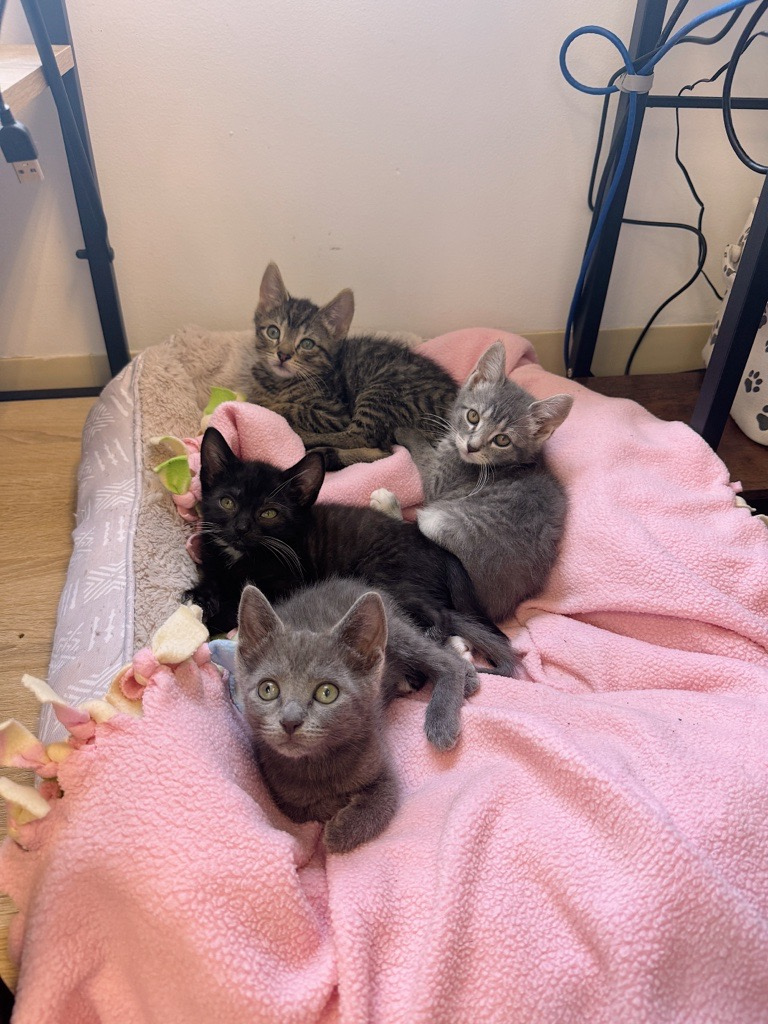
Each year, especially from spring through fall, we receive an influx of kittens—some just hours old. While it’s natural to want to help, the best thing you can do for a tiny kitten is pause before intervening.
If you find a kitten under three pounds, we recommend leaving it where it is unless it appears injured, ill, or in immediate danger. In most cases, the mother is nearby, hunting or hiding, and will return shortly. Removing kittens too soon can put them at higher risk, mainly because their immune systems are not yet strong enough for a shelter environment. If you come across a kitten who is hurt, unwell, or in a dangerous situation, regardless of their weight, please contact us immediately to determine the best next steps.
If you’re sure the mother is not returning or is deceased, we encourage you to consider becoming a temporary foster. With your care and our support, the kitten can grow big enough (around three pounds) to be vaccinated, sterilized, and adopted. We’re here to support you every step of the way with fostering, providing food, supplies, and medical care. But if fostering isn’t an option for you, that’s okay, we’ll still take in the kitten(s) and work with our foster network to help keep them out of the shelter. Thanks to our dedicated network of foster families, hundreds of kittens each year are given the chance to grow, thrive, and eventually find loving homes. Every situation is unique, and we encourage you to visit our Community Cats page to learn more before taking action.
Owned Pets: Intake By Appointment
We understand that giving up a pet is often the result of a personal crisis—whether due to housing, finances, or changes in health. When a family can no longer care for a pet, we’re here to help.
To provide the best outcome for each animal, we accept owned pets by appointment only. This allows us to:
- Understand the pet’s history and needs
- Prevent overcrowding and stress-related illness
- Create individualized placement plans for adoption, foster, or rescue transfer
We also offer alternative solutions, like medical assistance or support with rehoming, to help the animal safely transition without entering the shelter.
Working Together to Save Lives
Modern animal sheltering is about more than housing—it’s about building a community-based safety net that protects both animals and people. At the York County SPCA, we’re proud to follow a proven, best-practice model that supports our municipal partners, honors our role in protecting public health and safety, and ensures all the animals in our care have the best chance at a live outcome.
By understanding how animals enter our care, you help us ensure that every pet receives the time, attention, and support they need to thrive.
If you have questions about our admissions process or need support, visit our Shelter Admissions page or email [email protected].